Offshore web and mobile development team – iBit Progress

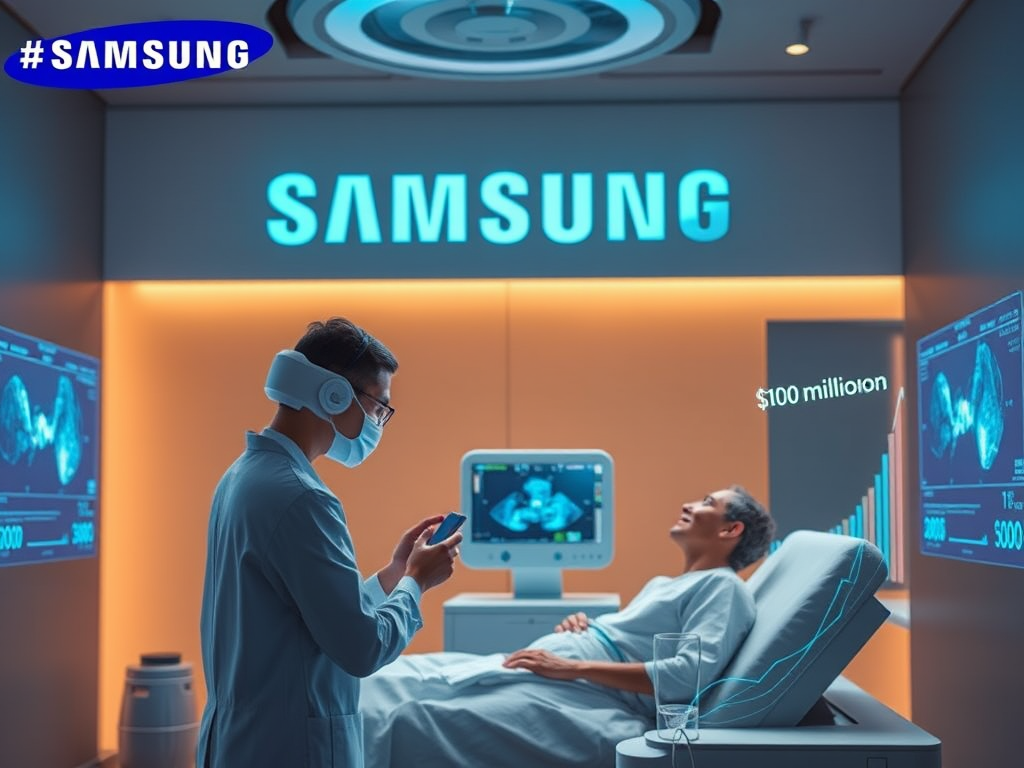
Samsung Eyes $100M Investment in Medical Imaging Startup Exo
In a significant move that could reshape the landscape of medical imaging technology, Samsung is reportedly considering a $100 million investment in Exo, an innovative medical imaging startup. This potential funding round signals Samsung’s strategic push into healthcare technology and could accelerate the development of next-generation ultrasound devices that promise to be more portable, affordable, and accessible than current solutions.
The Strategic Significance of Samsung’s Interest in Exo
Samsung’s potential investment in Exo represents more than just a financial transaction; it marks a deliberate expansion of the tech giant’s healthcare portfolio. The South Korean conglomerate has been steadily building its presence in the medical technology sector through Samsung Medison, its healthcare equipment subsidiary that specializes in ultrasound systems and other diagnostic imaging technologies.
This investment would align perfectly with Samsung’s broader strategy of diversifying beyond consumer electronics into high-growth healthcare markets. With global healthcare spending projected to reach $10 trillion by 2026, medical imaging represents an attractive sector with substantial growth potential, especially as healthcare providers seek more cost-effective and efficient diagnostic tools.
Exo: Revolutionizing Ultrasound Technology
Founded in 2015, Exo (pronounced “echo”) has been developing handheld ultrasound devices that leverage piezoelectric micromachined ultrasound transducer (pMUT) technology. This innovative approach enables the creation of high-quality imaging devices at a fraction of the size and cost of traditional ultrasound equipment.
The startup’s technology has the potential to democratize access to medical imaging by bringing ultrasound capabilities to point-of-care settings, including emergency rooms, ambulances, rural clinics, and even home healthcare environments. This aligns with the growing demand for decentralized healthcare delivery models that can reduce costs while improving patient outcomes.
Technical Innovations Driving Exo’s Growth
What sets Exo apart from competitors is its proprietary semiconductor technology that miniaturizes ultrasound components while maintaining or enhancing image quality. The company’s approach combines advanced hardware with AI-powered software that can help interpret ultrasound images, potentially making the technology accessible to healthcare providers with less specialized training.
This fusion of hardware innovation and software intelligence represents the kind of technological convergence that Samsung has mastered in consumer electronics, making the potential partnership particularly synergistic. Samsung’s expertise in semiconductor manufacturing, miniaturization, and AI development could significantly accelerate Exo’s product roadmap.
Market Implications of the Potential Investment
The medical imaging market is projected to grow at a CAGR of approximately 5.7% through 2030, reaching a value of over $50 billion. Portable ultrasound devices represent one of the fastest-growing segments within this market, with increasing adoption across various medical specialties beyond traditional radiology departments.
Samsung’s investment would likely accelerate Exo’s market penetration and could potentially disrupt established players in the medical imaging space. The combination of Samsung’s global distribution network, manufacturing capabilities, and brand credibility with Exo’s innovative technology could create a formidable new competitor in the healthcare technology landscape.
Regulatory and Implementation Challenges
Despite the promising outlook, both companies face significant challenges in bringing new medical imaging technologies to market. The healthcare sector is heavily regulated, with stringent requirements for safety, efficacy, and data security. Exo will need to navigate FDA clearance processes and similar regulatory frameworks in international markets.
Additionally, healthcare providers often face implementation barriers when adopting new technologies, including workflow integration issues, training requirements, and reimbursement concerns. Samsung’s experience in enterprise technology deployment could prove valuable in addressing these adoption challenges.
What This Means for the Future of Healthcare Technology
If completed, this investment would represent another significant step in the ongoing convergence of consumer technology and healthcare. As tech giants like Samsung, Apple, and Google continue to expand their healthcare initiatives, we can expect accelerated innovation in medical devices and increased accessibility of advanced diagnostic tools.
For software developers and tech professionals, this trend creates new opportunities at the intersection of healthcare and technology, particularly in areas like medical imaging analysis, healthcare AI, and secure medical data management. As these advanced imaging tools generate massive datasets, we’ll likely see increased demand for sophisticated data processing and analysis solutions.
The potential Samsung-Exo partnership illustrates how strategic investments from technology leaders can accelerate healthcare innovation and potentially transform patient care delivery models. As this and similar partnerships evolve, we may soon see medical imaging capabilities become as ubiquitous and user-friendly as the smartphones in our pockets—a development that could fundamentally change how healthcare is delivered worldwide.