Offshore web and mobile development team – iBit Progress

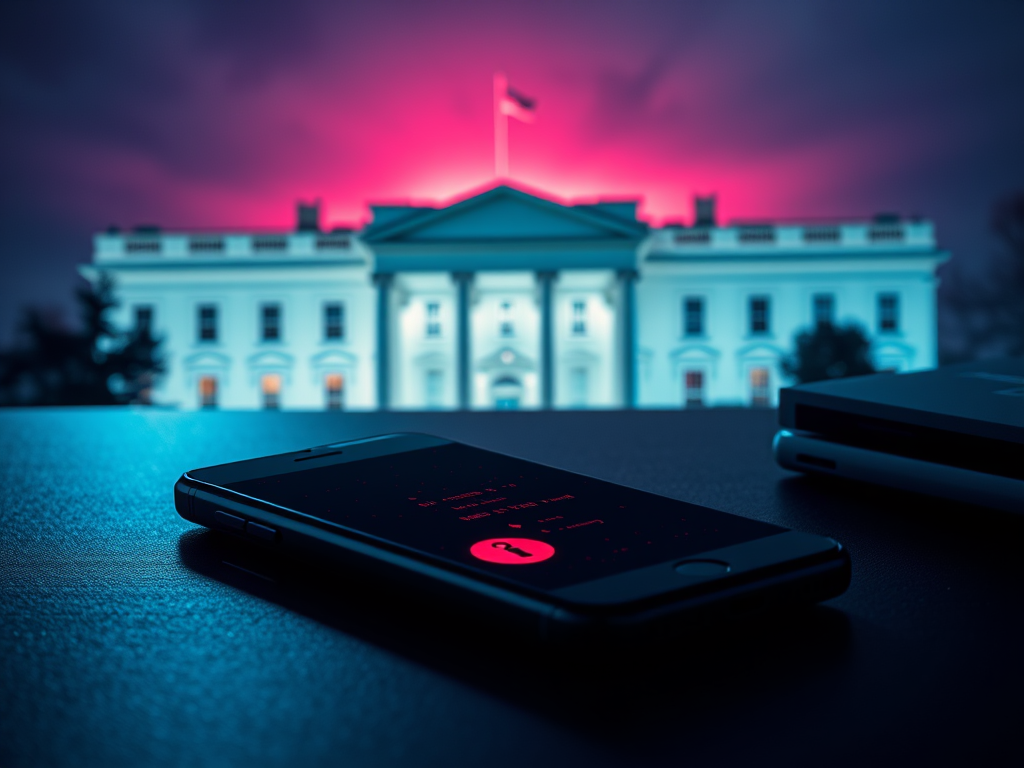
White House Cybersecurity Breach: Trump’s Chief of Staff Phone Hack Investigation
In a concerning development for national security, the White House has launched an investigation into how the personal device of President Trump’s Chief of Staff was compromised. This high-profile cybersecurity incident has raised serious questions about digital security protocols at the highest levels of government and highlights the growing sophistication of threat actors targeting political figures.
The Breach: What We Know So Far
The hack, discovered in late May 2025, appears to have targeted the Chief of Staff’s personal smartphone rather than government-issued secure devices. Initial reports suggest the compromise may have occurred over several weeks before detection, potentially exposing sensitive communications and calendar information. The White House Cybersecurity Team, in conjunction with the Secret Service and FBI, has established a task force to determine the attack vector, extent of data exposure, and potential attribution.
While the administration has been reluctant to share technical specifics during the ongoing investigation, cybersecurity experts speculate the attack likely employed sophisticated spyware similar to NSO Group’s Pegasus or other zero-click exploitation frameworks that require no user interaction to compromise devices.
Implications for National Security
This incident represents more than just a personal privacy breach. The Chief of Staff position serves as the president’s gatekeeper and coordinator, with access to highly sensitive discussions, policy deliberations, and scheduling information. A compromise at this level could potentially reveal:
- Strategic policy planning discussions
- Private communications with foreign leaders
- Upcoming administrative decisions before public announcement
- Internal White House dynamics and vulnerabilities
The timing of this breach is particularly significant, occurring during a period of heightened international tensions and domestic policy negotiations. Intelligence officials have expressed concern that the compromise could give adversaries visibility into the administration’s decision-making processes.
Potential Attack Vectors and Prevention Strategies
While the specific attack methodology remains under investigation, this incident underscores several critical vulnerabilities in mobile device security, even at the highest levels of government:
- Personal Device Usage: Government officials using personal devices for any work-related communications create security gaps that bypass hardened government systems.
- Advanced Persistent Threats: Nation-state actors deploy sophisticated, patient attack strategies designed to remain undetected while harvesting valuable intelligence.
- Mobile Zero-Day Exploits: Previously unknown vulnerabilities in mobile operating systems remain a prime attack vector for high-value targets.
- Social Engineering: Even technical defenses can be circumvented through carefully crafted communications targeting human psychology.
Cybersecurity experts recommend organizations implement comprehensive mobile device management policies, conduct regular security training, employ network monitoring solutions, and maintain strict separation between personal and work devices.
Broader Lessons for Enterprise Security
This White House breach offers valuable lessons for enterprise security leaders. The incident demonstrates that even well-resourced organizations with access to top-tier security resources remain vulnerable to determined attackers. Security professionals should consider:
- Implementing zero-trust architecture that treats all network activity as potentially malicious
- Deploying advanced endpoint detection and response (EDR) solutions
- Establishing clear BYOD policies with technical enforcement mechanisms
- Conducting regular tabletop exercises simulating breach scenarios
- Developing comprehensive incident response plans
Historical Context of Political Targeting
This incident joins a growing list of politically motivated cyberattacks targeting government officials worldwide. From the 2016 DNC hack to more recent compromises of European parliaments, digital espionage has become a standard tool in geopolitical competition. The sophistication of these attacks continues to increase, making detection and prevention increasingly challenging.
Looking Forward: Security Implications
As the investigation unfolds, this incident will likely catalyze a significant review of White House communications security protocols. We can expect to see renewed emphasis on secure communications platforms, stricter personal device policies, and enhanced counterintelligence measures throughout government.
For enterprise security leaders, this high-profile breach serves as a powerful reminder that cybersecurity requires constant vigilance, even with the most sophisticated defenses. As we await further details from the investigation, organizations would be wise to use this moment to evaluate their own mobile security posture and incident response capabilities.
The targeting of senior government officials represents not just a technical challenge but a fundamental threat to democratic institutions and national security. How we respond to these evolving threats will shape the future of both government and enterprise security in an increasingly contested digital landscape.