Offshore web and mobile development team – iBit Progress

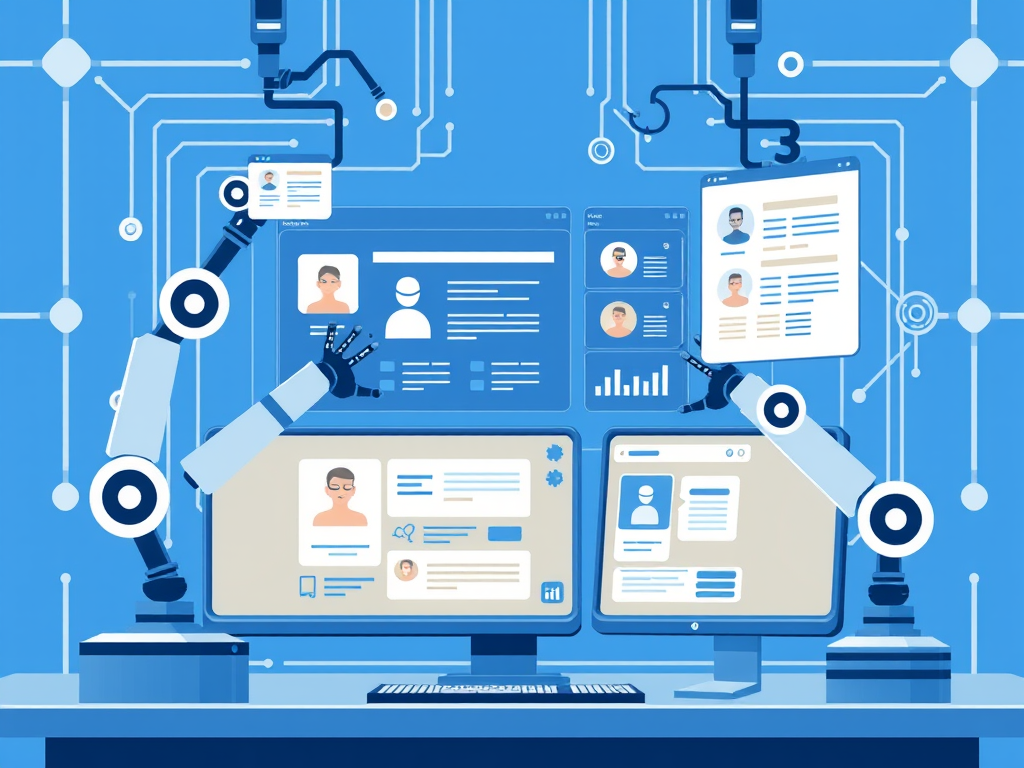
AI Takes Helm: Meta Shifts Toward Automated Product Risk Evaluation
In a significant strategic shift that signals the tech industry’s growing reliance on artificial intelligence for operational efficiency, Meta has announced plans to automate a substantial portion of its product risk assessment processes. This move represents a fundamental change in how the social media giant approaches safety and compliance evaluations across its diverse portfolio of platforms and services.
The Evolution of Risk Assessment at Meta
Traditionally, Meta’s risk assessment procedures have relied heavily on human expertise. Teams of specialists would meticulously evaluate new features, products, and updates across Facebook, Instagram, WhatsApp, and other platforms to identify potential harm vectors, privacy concerns, and regulatory compliance issues. This manual approach, while thorough, has increasingly struggled to keep pace with the company’s rapid development cycles and the expanding complexity of digital risks.
The automation initiative aims to transform this process by leveraging advanced machine learning systems trained on years of accumulated risk assessment data. These AI systems will scan new products and features against established risk patterns, flagging potential issues before human reviewers need to intervene.
Technical Implementation and AI Architecture
Meta’s approach to automating risk assessments involves a sophisticated multi-layered AI system that integrates several complementary technologies:
- Natural language processing models that analyze product specifications and documentation
- Computer vision systems that evaluate visual elements and interfaces
- Behavioral prediction algorithms that simulate user interactions
- Rules-based verification systems for regulatory compliance checks
The architecture employs both supervised learning approaches (trained on previously identified risks) and unsupervised methods designed to detect novel threat patterns that might not match historical examples. This hybrid approach addresses one of the primary concerns with automated risk assessment: the potential to miss unprecedented or emerging risk categories.
Human-in-the-Loop Oversight
While the system represents a shift toward automation, Meta emphasizes that human oversight remains central to the risk assessment framework. The AI systems serve primarily as a first-pass filter and prioritization mechanism, with human experts maintaining final decision authority on complex or high-stakes evaluations.
“We’re not removing humans from the equation,” explained a Meta representative. “We’re allowing them to focus their expertise where it’s most needed by handling routine assessments algorithmically.”
Business Implications and Industry Trends
For Meta, the business case for automation is compelling. Internal estimates suggest the new system could reduce assessment timelines by up to 70% for straightforward features while potentially improving detection rates for certain risk categories where human reviewers might experience fatigue or inconsistency.
This initiative aligns with broader industry trends toward “DevSecOps” philosophies that seek to integrate security and compliance considerations earlier in the development lifecycle. By embedding automated risk evaluation directly into product development workflows, Meta aims to shift from reactive to proactive risk management.
Challenges and Ethical Considerations
The transition is not without challenges. Ethical AI experts have raised concerns about potential blind spots in automated systems, particularly regarding cultural nuance, contextual understanding, and novel forms of harm that might emerge from innovative features.
To address these concerns, Meta is implementing continuous evaluation processes for the automated systems themselves, including regular audits and fairness assessments to ensure the AI doesn’t inherit or amplify biases from historical data.
Looking Forward: Implications for the Tech Ecosystem
Meta’s move toward automated risk assessment likely foreshadows similar shifts across the tech industry. As regulatory requirements grow more complex and digital risks evolve more rapidly, AI-powered assessment tools may become standard practice for companies seeking to balance innovation speed with responsible development.
For development teams, this trend suggests a future where risk evaluation becomes more deeply integrated into the engineering process rather than functioning as a separate checkpoint. Engineers may increasingly work alongside AI-powered tools that provide real-time feedback on potential risks as features are designed and implemented.
Conclusion
Meta’s automation of product risk assessment represents a significant evolution in how major tech platforms approach safety and compliance. While the full impact remains to be seen, this shift illustrates how AI is transforming not just consumer-facing technology but the very processes by which those technologies are developed and evaluated. For an industry constantly balancing the competing demands of innovation speed and responsible deployment, automated risk assessment may offer a path forward—provided the right human oversight remains in place.