Offshore web and mobile development team – iBit Progress

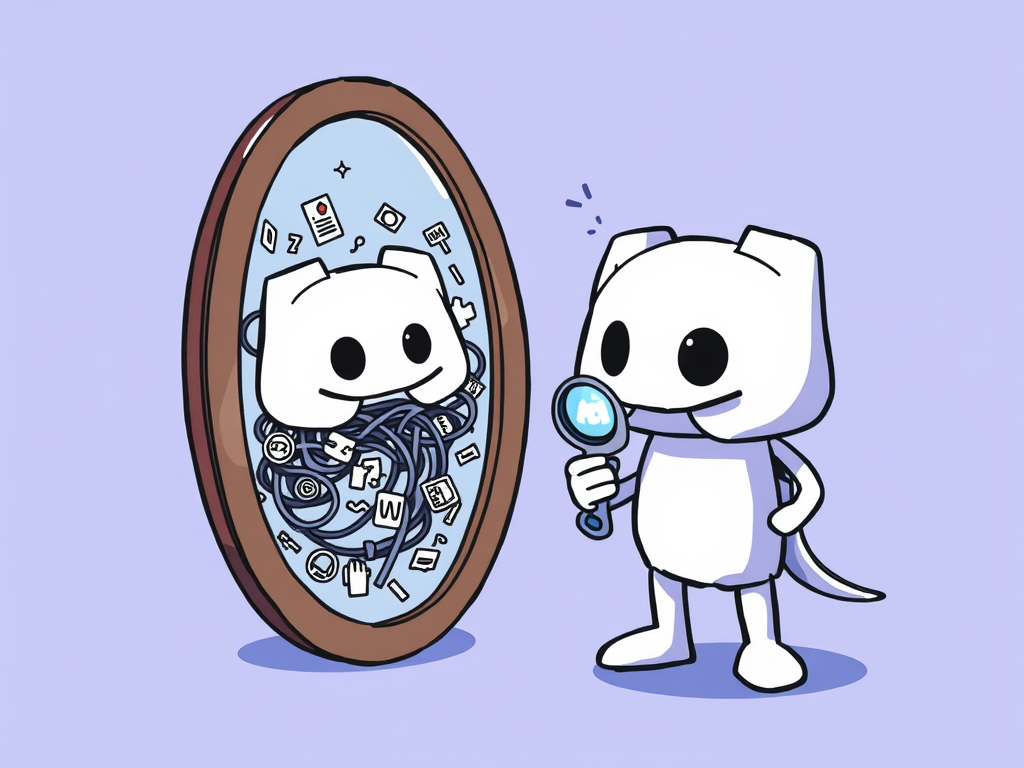
Discord’s Self-Correction: Addressing the Communication Platform Paradox
In the evolving landscape of digital communication platforms, Discord has emerged as a fascinating case study of both innovation and unintended consequences. The platform that began as a haven for gamers has expanded into a complex ecosystem serving diverse communities, from software development teams to educational groups. However, this growth has introduced challenges that Discord itself is now attempting to solve—a phenomenon we might call the “communication platform paradox.”
The Evolution of Discord: From Gaming Chat to Digital Ecosystem
Discord’s journey from a simple voice chat application for gamers to a comprehensive communication platform used by over 150 million monthly active users represents one of the most successful pivots in recent tech history. The platform’s combination of voice, video, and text communication wrapped in an intuitive interface struck a chord with users seeking more dynamic interactions than traditional social media could offer.
For developers and tech professionals, Discord quickly became more than just a place to discuss gaming strategies. It evolved into a vital hub for open-source collaboration, programming communities, and tech knowledge sharing. The platform’s server structure, role-based permissions, and bot ecosystem created an environment where specialized technical communities could thrive.
The Self-Created Problem: Information Overload and Fragmentation
As Discord’s popularity soared, the very features that made it appealing began creating new challenges. The proliferation of servers, channels, and direct messages led to what many users now experience as “Discord fatigue”—a state of information overload where valuable communications are buried in a sea of notifications and disjointed conversations.
For technical teams and startup communities, this fragmentation presents particular challenges:
- Knowledge becomes siloed within specific channels or servers
- Important technical discussions get lost in rapidly scrolling chat windows
- The absence of robust search and archiving tools makes information retrieval difficult
- Onboarding new team members requires explaining an increasingly complex server structure
The irony is clear: a platform designed to streamline communication has, through its success, created new communication barriers.
Discord’s Correction Course: Streamlining Without Simplifying
Discord’s recent initiatives indicate a recognition of these self-created challenges. The platform is implementing several key changes aimed at addressing information management while preserving the spontaneous, community-driven interactions that users value:
Enhanced Search Functionality
Discord’s improved search algorithms now allow developers to locate code snippets, technical discussions, and resources shared weeks or months ago—addressing one of the most significant pain points for technical communities.
Server Organization Tools
New features for server categorization and channel management provide administrators with more options to create logical information architectures that reduce cognitive load without sacrificing depth of interaction.
Integration Capabilities
Expanded API access and improved bot frameworks enable better integration with development tools, knowledge bases, and project management systems—creating bridges between Discord conversations and other elements of the technical workflow.
Lessons for the Broader Tech Ecosystem
Discord’s challenge represents a pattern familiar across the tech industry: successful platforms often create new problems as they scale. The company’s efforts to address its self-created issues offer valuable insights for other communication tools and platforms:
First, growth requires constant re-evaluation of core functionality. Second, feature expansion must be balanced with usability considerations. Finally, communities need tools that evolve with their changing needs and usage patterns.
Looking Forward: Communication Platform Evolution
As Discord works to solve the problems it inadvertently created, the platform serves as both cautionary tale and innovation laboratory for the future of digital communication. For developers, decision-makers, and startup leaders using the platform, these changes represent an opportunity to reassess how Discord fits into their communication strategy.
The communication platform paradox isn’t unique to Discord, but the company’s willingness to acknowledge and address it might be. In doing so, Discord isn’t just solving a problem—it’s potentially charting a course for how digital communities can balance growth with usability in an increasingly complex online landscape.