Offshore web and mobile development team – iBit Progress

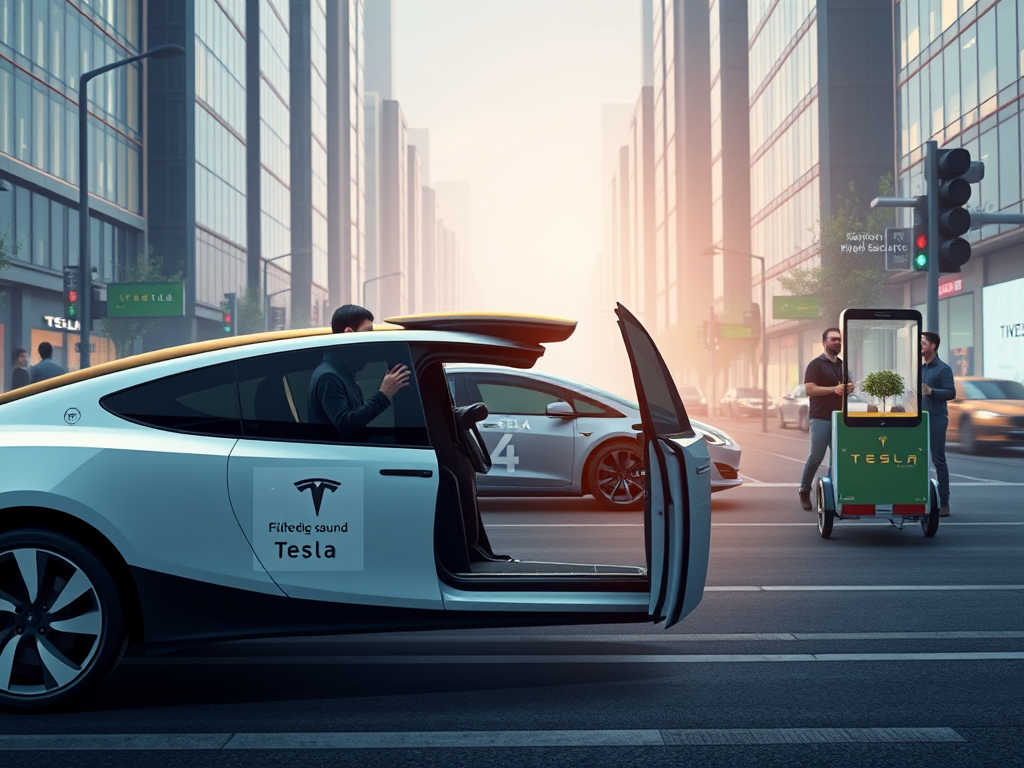
Ride-Sharing Disruption: Uber Challenged While Robot Dogs Deliver in Texas
The mobility landscape is shifting dramatically as we approach mid-2025, with established giants facing fresh competition and autonomous technologies reaching new milestones in practical deployment. The transportation sector continues its rapid evolution with emerging players challenging the status quo, Tesla experiencing unexpected market pressures, and robotic delivery solutions moving from pilot programs to actual implementation in the Lone Star State.
New Ride-Sharing Challenger Enters the Arena
A significant development in the mobility space is the emergence of a formidable competitor to Uber’s long-established dominance. This new entrant brings a novel approach to the ride-sharing ecosystem, leveraging advanced AI routing algorithms that promise to reduce wait times by up to 40% compared to existing services. The platform’s unique driver compensation model, which offers equity participation and transparent surge pricing, addresses many pain points that have plagued Uber’s relationship with its driver network.
What makes this challenger particularly noteworthy is its founder’s pedigree as a pioneer in the ride-sharing industry, bringing institutional knowledge and lessons learned from previous ventures. The company has secured an impressive $230 million in Series B funding, demonstrating strong investor confidence in its potential to disrupt the market that Uber has dominated for years.
Tesla’s Continuing Market Challenges
Meanwhile, Tesla continues to face headwinds in maintaining its market position. The company’s stock has experienced a sustained decline following production challenges with its newest Model 2 economy vehicle and increasing competition in the EV space from both established automakers and agile startups. The much-anticipated full self-driving capabilities have hit regulatory roadblocks in key markets, further complicating Tesla’s growth strategy.
Industry analysts point to Tesla’s slowing innovation pace as particularly concerning. With competitors now matching or exceeding its battery technology and autonomous driving features, the company’s early-mover advantage appears to be eroding. The latest quarterly results show a 12% decrease in market share in North America and a concerning 18% drop in European markets where regulatory environments favor established local manufacturers.
Integration Challenges for Legacy Automakers
While Tesla struggles, traditional automakers face their own challenges in integrating new mobility solutions into their business models. The transition from hardware manufacturers to mobility service providers requires fundamental shifts in organizational structure and technical capabilities that many legacy companies find difficult to implement effectively.
Quadrupedal Delivery Robots Transform Last-Mile Logistics in Texas
Perhaps the most visually striking development comes from Texas, where dog-like delivery robots have begun regular operations in several metropolitan areas. These quadrupedal robots, reminiscent of Boston Dynamics’ designs but built specifically for commercial delivery applications, represent a significant advance in autonomous last-mile logistics.
The robots can navigate complex urban environments, climb stairs, and operate in conditions that would challenge wheeled delivery vehicles. Initial deployments focus on food delivery and small package transport, with each unit capable of carrying up to 40 pounds of cargo while navigating urban obstacles with remarkable agility.
Early data shows these robotic delivery systems reducing delivery costs by approximately 23% compared to human couriers, while maintaining comparable delivery times in urban environments. The technology company behind the deployment has partnered with several major restaurant chains and e-commerce retailers to scale operations across Texas before a planned national rollout later this year.
Implications for the Mobility Ecosystem
These developments signal a maturing mobility market where competition intensifies and practical applications of autonomous technology move beyond the experimental stage. For software developers, these trends create new opportunities in fleet management systems, robotics control software, and the integration of delivery logistics with existing e-commerce platforms.
For tech decision-makers and startup professionals, the message is clear: the mobility sector remains ripe for innovation, but successful disruption requires more than just technological advancement—it demands business models that address the practical and economic realities of transportation. As we move deeper into 2025, the companies that successfully balance technological innovation with operational excellence will likely emerge as the new leaders in this rapidly evolving landscape.