Offshore web and mobile development team – iBit Progress

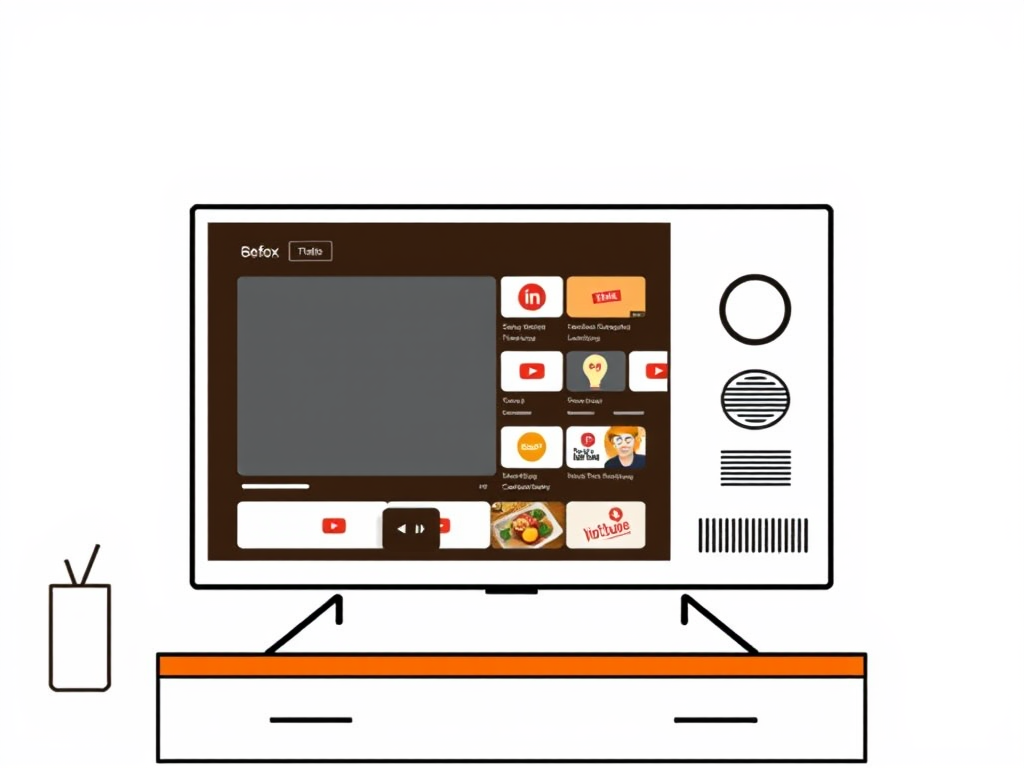
Tubi Expands Streaming Library with Top YouTube Channel Partnerships
In a significant move that blurs the lines between traditional streaming and digital content platforms, Tubi has announced the integration of popular YouTube channels into its streaming library. This strategic expansion brings content from renowned YouTube creators like Mythical Kitchen and others to Tubi’s free ad-supported streaming service, creating new opportunities for content discovery and consumption across different audience segments.
A New Era of Content Cross-Pollination
Tubi’s latest initiative represents a growing trend in the streaming industry where platforms are looking beyond traditional media sources to enrich their content libraries. By partnering with established YouTube channels, Tubi is tapping into ready-made audiences while offering these creators a new distribution channel with potentially different monetization opportunities.
The addition of Mythical Kitchen—known for its quirky culinary experiments and food entertainment content—signals Tubi’s intention to diversify its offering beyond movies and TV shows. This partnership likely appeals to younger demographics who consume content across multiple platforms and prefer shorter-form entertainment alongside traditional long-form programming.
Strategic Benefits for All Stakeholders
For Tubi and Parent Company Fox
This partnership allows Tubi to differentiate itself in the increasingly crowded streaming marketplace. As a free ad-supported service, Tubi needs compelling content that attracts viewers without the massive production budgets of subscription-based competitors. YouTube partnerships provide cost-effective library expansion while bringing established fan bases to the platform.
Additionally, these partnerships give Tubi access to content that performs well with younger audiences who might otherwise be difficult to reach through traditional programming. The data from these viewing patterns can inform future content acquisition and development strategies.
For YouTube Creators
Content creators like Mythical Kitchen gain expanded distribution and potentially new revenue streams through this arrangement. While YouTube remains their primary platform, having content available on Tubi introduces their brand to viewers who might not otherwise discover them through YouTube’s algorithms.
This multi-platform presence also provides creators with additional negotiating leverage and business stability, reducing their dependence on a single distribution channel. As content creators increasingly seek to diversify their business models, these types of partnerships represent valuable opportunities.
Technical Implementation and User Experience
The integration raises interesting technical considerations about how YouTube content will be presented within Tubi’s interface. Will the content be organized in channel-specific sections, or will it be integrated throughout Tubi’s existing categorization system? How will advertisements be handled between the two platforms with different ad technologies and business models?
For developers and technology decision-makers, this partnership exemplifies the growing need for flexible content management systems that can accommodate various content types, sources, and metadata structures. Modern streaming platforms increasingly require architecture that supports hybrid content models rather than siloed approaches.
Industry Implications and Future Directions
This partnership signals a potential trend where the lines between user-generated content platforms and traditional streaming services continue to blur. For technology startups in the content space, these developments suggest opportunities to build infrastructure that facilitates content sharing across platforms while respecting rights management and revenue attribution.
We may soon see more streaming services adopting similar strategies, creating a more interconnected content ecosystem where creators can more easily distribute their work across multiple platforms with different business models. This evolution challenges the traditional notions of content exclusivity that have dominated streaming wars in recent years.
Looking Ahead
As Tubi integrates content from Mythical Kitchen and other YouTube channels, the industry will be watching closely to see how viewers respond to this blend of traditional and digital-native content. Success could accelerate similar partnerships across the streaming landscape, while challenges might reveal the limitations of cross-platform content strategies.
For software developers, content strategists, and media executives, these partnerships highlight the importance of building flexible systems that can adapt to evolving content sources and business models. As the boundaries between different types of video platforms continue to erode, technical infrastructure must evolve to support seamless content discovery and viewing experiences regardless of origin.
The streaming media landscape continues to transform rapidly, and Tubi’s YouTube partnerships represent just one experiment in what’s likely to be a period of continued innovation and convergence across the digital content ecosystem.